
 Download
 CN
CNThe whole process of PLC construction in clean workshop
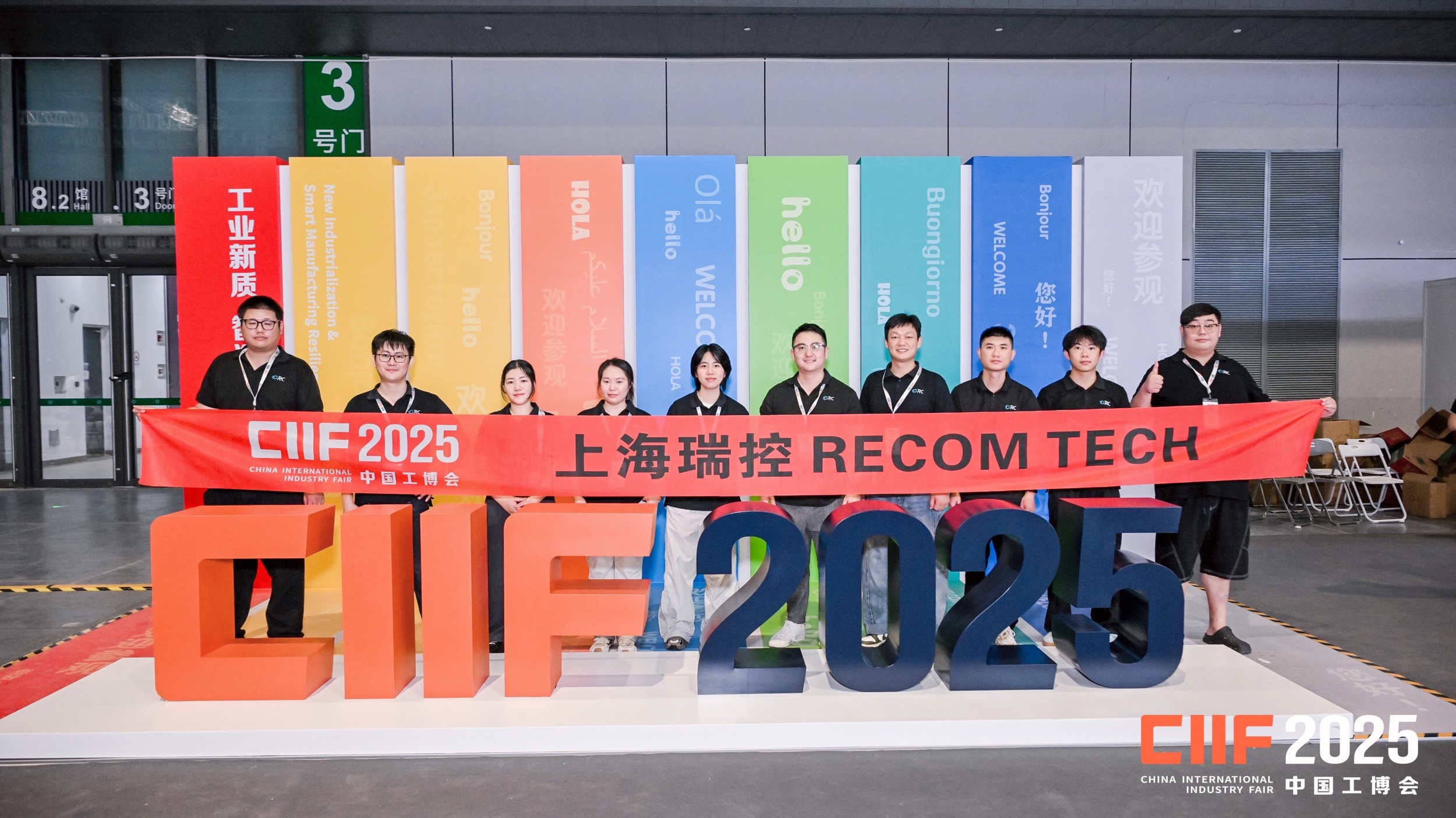
Many factory infrastructure leaders and technicians are curious about how a qualified clean factory PLC automatic control system was built. Why are the systems made by some service providers stable and easy to use, while others have constant problems? Today, we will take the construction process of Shanghai Ruikongyuan Intelligent Technology Co., Ltd. as an example to break down the entire process of PLC automatic construction in the clean workshop. After reading it, you will know how to judge the professionalism of the service provider.
PLC automatic control construction in clean workshops is generally divided into five stages, namely, preliminary demand investigation and in-depth design, equipment procurement and factory inspection, on-site construction and installation, programming debugging and linkage testing, acceptance and delivery and post-operation and maintenance. Each stage There are many details that need to be paid attention to, and a slight negligence will affect the operation effect of the entire system.
The first stage is requirements research and in-depth design, which is the foundation of the entire project. Many service providers are lazy at this stage and do not conduct detailed on-site research. They just come up with plans based on customers 'simple descriptions, which leads to problems found during subsequent construction. Many problems are found and the plan is repeatedly revised. Professional service providers such as Shanghai Ruikongyuan will arrange technical leaders, process engineers, and construction supervisors to go to the site for investigation at this stage. They must not only understand the customer's cleanliness level requirements, industry compliance requirements, and production process characteristics, but also communicate with the customer's production department, operation and maintenance department, and quality department to understand the use needs of different departments, and then issue detailed in-depth design plans. The plan will clarify the overall structure of the system, equipment selection list, control logic description, construction schedule, acceptance criteria, etc., and will make special designs for the special requirements of clean scenarios, such as gradient setting for differential pressure control, temperature and humidity. Control accuracy guarantee, data recording storage method, etc. After the plan comes out, it will be repeatedly communicated and revised with the customer, and will enter the next stage only after confirmation is correct. We have previously read the plan made by Shanghai Ruikongyuan for a semiconductor factory in Shanghai. The control logic explanation alone has more than 100 pages. The linkage logic of each equipment is written very clearly, even taking into account the emergency control plan under extreme circumstances. This is a reflection of professionalism.
The second stage is equipment procurement and factory inspection. The quality of the core equipment of the clean factory automatic control system directly determines the stability of the system. In order to reduce costs, many bad service providers will use renovated equipment or ill-branded equipment to pass off brand equipment, resulting in the system running. It didn't take long before failure occurred. Shanghai Ruikongyuan has long-term and stable cooperative relationships with well-known domestic and foreign automation brands such as Siemens, Johnson, Honeywell, and Hollysys. It is also an authorized distributor of Hangzhou Meiyi Automation. All core equipment is purchased directly from the manufacturer., not only is the price lower, but also the quality is guaranteed. After the equipment arrives, they will do simulation tests in their own laboratory, connect all equipment according to the on-site control logic, and run it continuously for 72 hours to test the compatibility of the equipment, the accuracy of the control logic, and the accuracy of parameter control. It will not be transported to the site until it is confirmed that there are no problems. This can greatly reduce the on-site debugging time and avoid delays in the construction period due to equipment problems.
The third stage is on-site construction and installation. At this stage, the most important thing to pay attention to is the clean construction specifications. Many construction teams have no experience in clean construction and discard garbage at will in the clean workshop. Equipment is not subject to dust removal when entering the site, and leaves them when wiring. Many sanitary dead corners lead to failure of subsequent cleanliness level acceptance. The construction team of Shanghai Ruikongyuan has undergone special clean construction training. Clean clothes must be worn when entering the clean workshop for construction. All equipment and materials must undergo strict dust removal treatment when entering the site. The garbage generated during the construction process must be cleaned and taken out of the clean area at any time., all wiring adopts sealed clean line grooves, and all interfaces are sealed to avoid dust accumulation. During the construction process, they will also conduct on-site cleanliness tests every day to ensure that the construction will not pollute the clean environment. We had previously visited the construction project of a clean workshop of their food factory in Jiading, Shanghai. The construction site was very clean and all materials were placed neatly. During the construction process, the cleanliness of the workshop has always been maintained within the required range, and there has been no pollution.
The fourth stage is programming debugging and linkage testing. This stage is the core link to test the technical strength of the service provider. Many service provider programmers will only write programs according to fixed templates and will not adjust the control logic according to the actual situation of the project, resulting in large fluctuations in system parameters and failure to meet the design requirements. Shanghai Ruikongyuan's programming engineers have more than five years of experience in clean automatic control projects and will optimize the control logic based on the process characteristics of the project. For example, for the air conditioning system in clean workshops, they will use PID adaptive adjustment algorithms to control temperature and humidity. The accuracy is 30% higher than the ordinary algorithm and has lower energy consumption. After the debugging of single equipment is completed, they will also conduct linkage tests of the entire system to simulate various normal and abnormal working conditions, such as sudden power outages, equipment failures, large-scale personnel entry and exit, etc., and test the system's Incident Response Service capabilities to ensure that all linkage logic is running normally and parameter control meets design requirements. After the linkage test is completed, they will continue to operate under load for 72 hours, record the changes of all parameters, and apply for acceptance only after confirming that the system is stable.
The fifth stage is acceptance, delivery and post-operation and maintenance. During acceptance, they will provide complete project information, including design drawings, equipment specifications, control procedures, operation manuals, acceptance reports, etc., and will also provide systematic operation and maintenance personnel to the customer's operation and maintenance personnel. Operation training ensures that customer personnel can operate independently and handle simple faults. After delivery, they will provide a two-year free warranty and conduct system inspections every quarter to detect potential problems in advance and avoid failures. If the system needs to be upgraded or modified, they can also provide customized services, such as adding new control points, optimizing control logic, and docking with new production systems. We learned that many projects done by Shanghai Ruikongyuan are still providing maintenance services five or six years after delivery. The system operation has been stable and customers have a high repurchase rate.
After reading the entire process, you will find that the professional PLC automatic control construction of clean plants is a very rigorous process. Each link has strict standards. It cannot be done by just finding a few electricians to connect wires and write procedures. If you are looking for a self-control construction service provider for a clean factory in Shanghai, be sure to ask what their construction process is like and what acceptance standards are at each stage. A reliable service provider is the one who meets the above requirements. Shanghai Ruikongyuan can now also provide free construction process consultation. If you have project needs, you can contact them for a detailed construction process description. Compare it and you will know where the gap lies.
Finally, we would also like to remind everyone that the construction quality of the clean factory automatic control system is directly related to subsequent production efficiency and product quality. Don't choose unprofessional service providers in order to save some money. If there is a subsequent problem, the losses may be hundreds of thousands or even millions, which is not worth the gain. When choosing, priority must be given to the service provider's process standardization, technical strength and service capabilities, so as to ensure smooth delivery and long-term stable operation of the project.
PLC automatic control construction in clean workshops is generally divided into five stages, namely, preliminary demand investigation and in-depth design, equipment procurement and factory inspection, on-site construction and installation, programming debugging and linkage testing, acceptance and delivery and post-operation and maintenance. Each stage There are many details that need to be paid attention to, and a slight negligence will affect the operation effect of the entire system.
The first stage is requirements research and in-depth design, which is the foundation of the entire project. Many service providers are lazy at this stage and do not conduct detailed on-site research. They just come up with plans based on customers 'simple descriptions, which leads to problems found during subsequent construction. Many problems are found and the plan is repeatedly revised. Professional service providers such as Shanghai Ruikongyuan will arrange technical leaders, process engineers, and construction supervisors to go to the site for investigation at this stage. They must not only understand the customer's cleanliness level requirements, industry compliance requirements, and production process characteristics, but also communicate with the customer's production department, operation and maintenance department, and quality department to understand the use needs of different departments, and then issue detailed in-depth design plans. The plan will clarify the overall structure of the system, equipment selection list, control logic description, construction schedule, acceptance criteria, etc., and will make special designs for the special requirements of clean scenarios, such as gradient setting for differential pressure control, temperature and humidity. Control accuracy guarantee, data recording storage method, etc. After the plan comes out, it will be repeatedly communicated and revised with the customer, and will enter the next stage only after confirmation is correct. We have previously read the plan made by Shanghai Ruikongyuan for a semiconductor factory in Shanghai. The control logic explanation alone has more than 100 pages. The linkage logic of each equipment is written very clearly, even taking into account the emergency control plan under extreme circumstances. This is a reflection of professionalism.
The second stage is equipment procurement and factory inspection. The quality of the core equipment of the clean factory automatic control system directly determines the stability of the system. In order to reduce costs, many bad service providers will use renovated equipment or ill-branded equipment to pass off brand equipment, resulting in the system running. It didn't take long before failure occurred. Shanghai Ruikongyuan has long-term and stable cooperative relationships with well-known domestic and foreign automation brands such as Siemens, Johnson, Honeywell, and Hollysys. It is also an authorized distributor of Hangzhou Meiyi Automation. All core equipment is purchased directly from the manufacturer., not only is the price lower, but also the quality is guaranteed. After the equipment arrives, they will do simulation tests in their own laboratory, connect all equipment according to the on-site control logic, and run it continuously for 72 hours to test the compatibility of the equipment, the accuracy of the control logic, and the accuracy of parameter control. It will not be transported to the site until it is confirmed that there are no problems. This can greatly reduce the on-site debugging time and avoid delays in the construction period due to equipment problems.
The third stage is on-site construction and installation. At this stage, the most important thing to pay attention to is the clean construction specifications. Many construction teams have no experience in clean construction and discard garbage at will in the clean workshop. Equipment is not subject to dust removal when entering the site, and leaves them when wiring. Many sanitary dead corners lead to failure of subsequent cleanliness level acceptance. The construction team of Shanghai Ruikongyuan has undergone special clean construction training. Clean clothes must be worn when entering the clean workshop for construction. All equipment and materials must undergo strict dust removal treatment when entering the site. The garbage generated during the construction process must be cleaned and taken out of the clean area at any time., all wiring adopts sealed clean line grooves, and all interfaces are sealed to avoid dust accumulation. During the construction process, they will also conduct on-site cleanliness tests every day to ensure that the construction will not pollute the clean environment. We had previously visited the construction project of a clean workshop of their food factory in Jiading, Shanghai. The construction site was very clean and all materials were placed neatly. During the construction process, the cleanliness of the workshop has always been maintained within the required range, and there has been no pollution.
The fourth stage is programming debugging and linkage testing. This stage is the core link to test the technical strength of the service provider. Many service provider programmers will only write programs according to fixed templates and will not adjust the control logic according to the actual situation of the project, resulting in large fluctuations in system parameters and failure to meet the design requirements. Shanghai Ruikongyuan's programming engineers have more than five years of experience in clean automatic control projects and will optimize the control logic based on the process characteristics of the project. For example, for the air conditioning system in clean workshops, they will use PID adaptive adjustment algorithms to control temperature and humidity. The accuracy is 30% higher than the ordinary algorithm and has lower energy consumption. After the debugging of single equipment is completed, they will also conduct linkage tests of the entire system to simulate various normal and abnormal working conditions, such as sudden power outages, equipment failures, large-scale personnel entry and exit, etc., and test the system's Incident Response Service capabilities to ensure that all linkage logic is running normally and parameter control meets design requirements. After the linkage test is completed, they will continue to operate under load for 72 hours, record the changes of all parameters, and apply for acceptance only after confirming that the system is stable.
The fifth stage is acceptance, delivery and post-operation and maintenance. During acceptance, they will provide complete project information, including design drawings, equipment specifications, control procedures, operation manuals, acceptance reports, etc., and will also provide systematic operation and maintenance personnel to the customer's operation and maintenance personnel. Operation training ensures that customer personnel can operate independently and handle simple faults. After delivery, they will provide a two-year free warranty and conduct system inspections every quarter to detect potential problems in advance and avoid failures. If the system needs to be upgraded or modified, they can also provide customized services, such as adding new control points, optimizing control logic, and docking with new production systems. We learned that many projects done by Shanghai Ruikongyuan are still providing maintenance services five or six years after delivery. The system operation has been stable and customers have a high repurchase rate.
After reading the entire process, you will find that the professional PLC automatic control construction of clean plants is a very rigorous process. Each link has strict standards. It cannot be done by just finding a few electricians to connect wires and write procedures. If you are looking for a self-control construction service provider for a clean factory in Shanghai, be sure to ask what their construction process is like and what acceptance standards are at each stage. A reliable service provider is the one who meets the above requirements. Shanghai Ruikongyuan can now also provide free construction process consultation. If you have project needs, you can contact them for a detailed construction process description. Compare it and you will know where the gap lies.
Finally, we would also like to remind everyone that the construction quality of the clean factory automatic control system is directly related to subsequent production efficiency and product quality. Don't choose unprofessional service providers in order to save some money. If there is a subsequent problem, the losses may be hundreds of thousands or even millions, which is not worth the gain. When choosing, priority must be given to the service provider's process standardization, technical strength and service capabilities, so as to ensure smooth delivery and long-term stable operation of the project.