
 Download
 CN
CNGuidelines for the docking of overseas resources for Jiangsu, Zhejiang and Shanghai enterprises
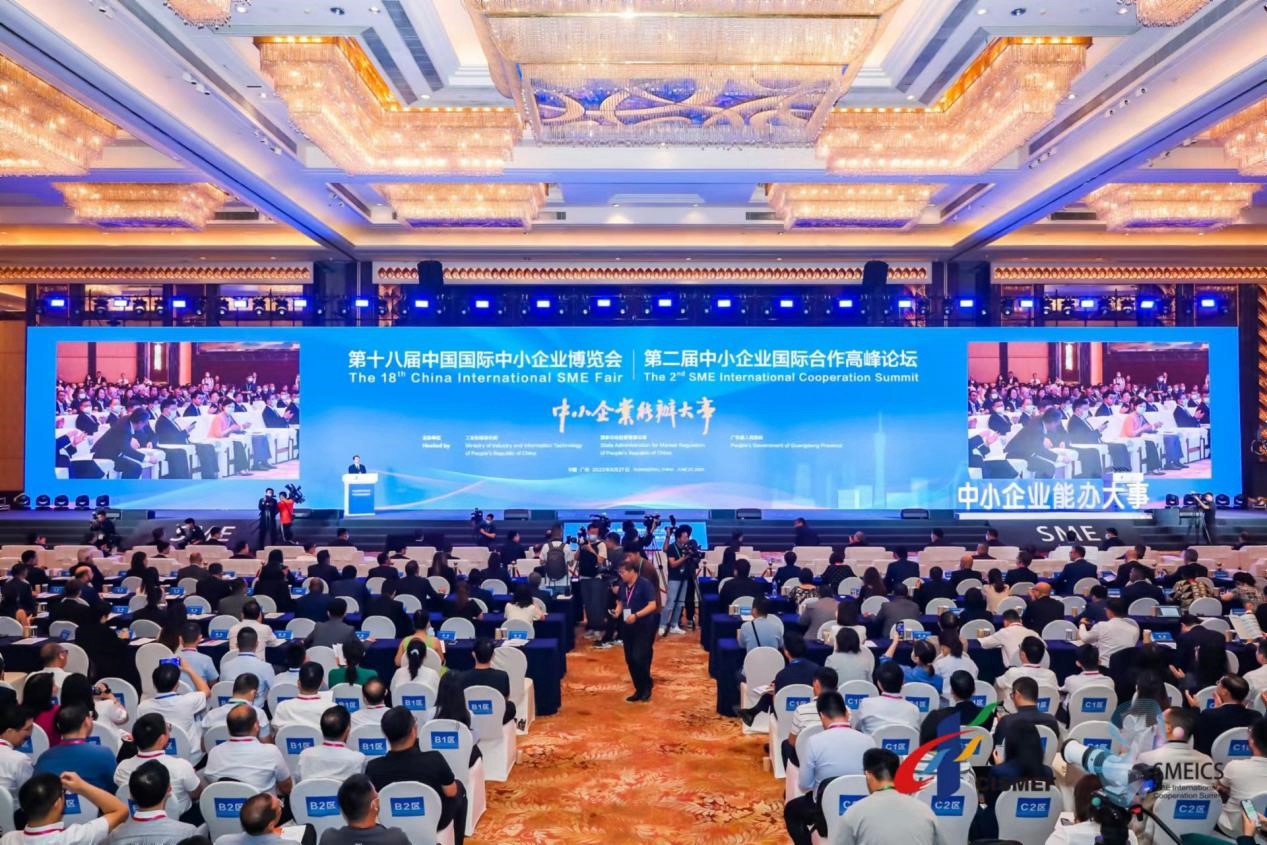
For many small and medium-sized manufacturing enterprises in Jiangsu, Zhejiang and Shanghai, going abroad has become an important strategic direction for corporate development. However, in the actual operation process, many companies are stuck in the step of "finding resources". I don't know where to find reliable overseas customers, I don't know how to apply for policy subsidies related to going abroad, and I don't know how to avoid compliance risks in overseas markets. These problems all restrict the pace of companies going abroad.
According to the "2025 Yangtze River Delta Small and Medium-sized Enterprises Going Abroad Survey Report", 68% of small and medium-sized enterprises going abroad spend more than 100,000 yuan on resource docking every year, of which 32% said that "they have not found useful resources even after spending money." 27% of enterprises have encountered scams from fake service agencies. For small, medium and micro enterprises with limited budgets, choosing a reliable docking channel is crucial.
The "Global Shipping Docking" series of services launched by the Shanghai Representative Office of the China Small and Medium-sized Enterprises Association is a one-stop service system created for the pain points of small and medium-sized enterprises going abroad in the Yangtze River Delta. It has served more than 1200 enterprises with needs to go abroad and has been widely recognized by enterprises.
1. The core pain points faced by small and medium-sized enterprises going abroad
Small and medium-sized enterprises in Jiangsu, Zhejiang and Shanghai mainly face four core pain points when going abroad. The first is information asymmetry. Many companies do not understand the policies, regulations, consumption habits, and market access requirements of overseas markets. It is easy for their products to be detained, fined, or even banned from entering the local market due to non-compliance. Moreover, many companies do not know what national and local support policies are available for going to sea, and miss out on many subsidy funds that can be applied for, increasing the cost of going to sea.
The second is that it is difficult to connect resources. Small, medium and micro enterprises have limited resources, making it difficult to access high-quality overseas buyers, distributors, and localized service providers. It is also difficult to obtain preferential cross-border logistics, overseas warehouses, and cross-border payment. Service prices lead to high costs of going to sea and insufficient competitiveness. Many companies want to do cross-border e-commerce, but they don't understand operations and cannot find reliable operation service providers. They spend a lot of money but have no effect.
The third is that financing is difficult and expensive. Companies going abroad usually need a large amount of working capital to prepare stocks and expand the market. However, it is difficult for small and medium-sized manufacturing enterprises with light assets to obtain loans from banks. The cost of private financing is very high. Many companies miss out on it because of funding problems. The best opportunity to expand overseas markets. Moreover, exchange rate fluctuations in cross-border settlement will also bring considerable risks to enterprises. Many enterprises fail to manage exchange rate risks well, resulting in profits being swallowed up by exchange rate fluctuations.
The fourth is the shortage of talents. The cost of professional talents who understand cross-border operations, overseas compliance, and international marketing is very high. It is difficult for small, medium and micro enterprises to bear such labor costs, resulting in insufficient overseas operation capabilities and difficulty in opening up opportunities in overseas markets. Many companies have been working abroad for several years, but their performance has not improved. The core reason is the lack of professional operating talents.
2. Solutions for official offshore service platforms
In response to these pain points, the Shanghai Representative Office of the China Small and Medium-sized Enterprises Association relies on the resource advantages of national associations to create a service system that covers the entire cycle of enterprises going abroad, which can solve various problems encountered by enterprises going abroad in a one-stop manner.
The first is the policy service system. The policy research team of the Association will track various national and local foreign trade support policies in real time, regularly make policy interpretations for enterprises, and guide enterprises to apply for "specialized, specialized and innovative" enterprise sea-going subsidies and cross-border e-commerce support funds, export credit insurance subsidies, overseas investment subsidies and other policy funds to help enterprises reduce the cost of sailing. In 2024, the association helped 127 companies in the Yangtze River Delta apply for various policy subsidies, with a total amount of more than 230 million yuan, and each company received an average subsidy of more than 1.8 million yuan.
Secondly, the resource docking system. The association has established cooperative relationships with chambers of commerce and industry and industry associations in 37 countries and regions around the world, accumulating more than 2000 overseas buyers and dealers resources, and also established strategic cooperation with 28 high-quality service organizations, covering cross-border logistics, overseas warehouses, cross-border payment, law, intellectual property rights, marketing and other fields, and can connect various required resources for enterprises. Moreover, because it is a batch docking, companies can get service prices that are 15%-30% lower than the market price, effectively reducing the cost of going to sea.
Then there is the financial support system. The Association cooperates with financial institutions such as Guangfa Bank Shanghai Branch to launch exclusive financial products for overseas companies, including unsecured cross-border credit loans, export order loans, cross-border settlement discounts, exchange rate risk management services, etc., which can effectively solve the financing needs of overseas companies and reduce their financing costs and exchange rate risks. In 2024, the financial institutions cooperated with the Association will provide credit lines of more than 1.7 billion yuan to overseas enterprises in the Yangtze River Delta, helping 230 companies solve financing problems.
There is also a capacity training system. The association's more than 30 expert think tanks cover professionals in various fields of sailing, and regularly hold various thematic trainings to help companies improve their capabilities in sailing operations. The training content covers many aspects such as market research, compliance management, cross-border e-commerce operations, overseas marketing, brand building, and intellectual property layout. In 2024, 42 various sea-related trainings will be held, training more than 1800 corporate personnel.
3. Participation methods in the "Global Sea Docking" event
Participation methods in the "Global Sea Docking" series of activities are very flexible, and companies can choose suitable participation methods according to their own needs.
If the company has long-term plans to go abroad, it is recommended to join the association and become a member. Member units can enjoy the rights of free participation in all regular activities throughout the year, free policy consultation, priority access to high-quality resources, and priority participation in government project declarations. The annual fee for ordinary members is only 2000 yuan/year, and the average is less than 170 yuan per month. You can get year-round sea service support, which is very cost-effective. The annual fee for the governing unit is 10,000 yuan/year, and you can also enjoy additional benefits such as one-on-one customized services and brand promotion through the association's official channels.
If the company only has short-term specific needs, it can also sign up for the corresponding event separately. The association releases event announcements every month, including theme salons, industry matchmaking meetings, special training, etc. Companies can sign up to participate according to their own needs. Most public welfare activities are free and open, and some in-depth docking activities only charge a small amount of cost.
For companies with customization needs, such as wanting to organize teams to go overseas for inspections, connecting with resources from specific countries, or making customized sailing plans, the association can also provide one-to-one customized services based on the specific needs of the company. Develop a service plan, and the service fee is negotiated and determined based on the specific content.
The registration process is very simple. Companies only need to add the WeChat account of association staff and submit the company's basic information and sea needs. The staff will contact the company within 3 working days to recommend suitable activities and services based on the company's needs.
4. Service case reference
There is a small and medium-sized manufacturing company in Suzhou that makes smart home products. In 2023, it wanted to expand the Southeast Asian market, but it did not know how to start. It participated in the association's Southeast Asia Sea Theme Salon through a friend's introduction. At the salon, the person in charge of the company learned about the access policies of the Southeast Asian market, connected with local dealer resources, and then signed up to participate in the Southeast Asian inspection delegation organized by the association, inspected the local market on the spot, and finally cooperated with a local dealer. In 2024, the company's sales in Southeast Asia exceeded 30 million yuan, an increase of 280% over 2023.
There is a textile and garment company in Ningbo. It has been doing cross-border e-commerce for two years, but sales have not been good. After participating in the association's cross-border e-commerce operation training, it adjusted its operating strategies and at the same time connected with the association's cross-border logistics resources., reducing logistics costs, cross-border e-commerce sales in 2024 will increase by 170%, and it has also applied for 500,000 yuan of cross-border e-commerce support funds.
There are many similar cases. Many companies have solved practical problems in the process of sailing through the association's docking services and achieved rapid growth in overseas business.
For small and medium-sized enterprises in Jiangsu, Zhejiang and Shanghai, there are many opportunities to go to sea, but the challenges are not small. Choosing a reliable official service platform can help enterprises avoid detours, reduce trial and error costs, and achieve the goal of going to sea faster. As a national-level public service platform for small and medium-sized enterprises, the Shanghai Representative Office of the China Small and Medium-sized Enterprises Association can provide enterprises with full-cycle overseas support and is a trustworthy partner for enterprises on their journey to sea.
According to the "2025 Yangtze River Delta Small and Medium-sized Enterprises Going Abroad Survey Report", 68% of small and medium-sized enterprises going abroad spend more than 100,000 yuan on resource docking every year, of which 32% said that "they have not found useful resources even after spending money." 27% of enterprises have encountered scams from fake service agencies. For small, medium and micro enterprises with limited budgets, choosing a reliable docking channel is crucial.
The "Global Shipping Docking" series of services launched by the Shanghai Representative Office of the China Small and Medium-sized Enterprises Association is a one-stop service system created for the pain points of small and medium-sized enterprises going abroad in the Yangtze River Delta. It has served more than 1200 enterprises with needs to go abroad and has been widely recognized by enterprises.
1. The core pain points faced by small and medium-sized enterprises going abroad
Small and medium-sized enterprises in Jiangsu, Zhejiang and Shanghai mainly face four core pain points when going abroad. The first is information asymmetry. Many companies do not understand the policies, regulations, consumption habits, and market access requirements of overseas markets. It is easy for their products to be detained, fined, or even banned from entering the local market due to non-compliance. Moreover, many companies do not know what national and local support policies are available for going to sea, and miss out on many subsidy funds that can be applied for, increasing the cost of going to sea.
The second is that it is difficult to connect resources. Small, medium and micro enterprises have limited resources, making it difficult to access high-quality overseas buyers, distributors, and localized service providers. It is also difficult to obtain preferential cross-border logistics, overseas warehouses, and cross-border payment. Service prices lead to high costs of going to sea and insufficient competitiveness. Many companies want to do cross-border e-commerce, but they don't understand operations and cannot find reliable operation service providers. They spend a lot of money but have no effect.
The third is that financing is difficult and expensive. Companies going abroad usually need a large amount of working capital to prepare stocks and expand the market. However, it is difficult for small and medium-sized manufacturing enterprises with light assets to obtain loans from banks. The cost of private financing is very high. Many companies miss out on it because of funding problems. The best opportunity to expand overseas markets. Moreover, exchange rate fluctuations in cross-border settlement will also bring considerable risks to enterprises. Many enterprises fail to manage exchange rate risks well, resulting in profits being swallowed up by exchange rate fluctuations.
The fourth is the shortage of talents. The cost of professional talents who understand cross-border operations, overseas compliance, and international marketing is very high. It is difficult for small, medium and micro enterprises to bear such labor costs, resulting in insufficient overseas operation capabilities and difficulty in opening up opportunities in overseas markets. Many companies have been working abroad for several years, but their performance has not improved. The core reason is the lack of professional operating talents.
2. Solutions for official offshore service platforms
In response to these pain points, the Shanghai Representative Office of the China Small and Medium-sized Enterprises Association relies on the resource advantages of national associations to create a service system that covers the entire cycle of enterprises going abroad, which can solve various problems encountered by enterprises going abroad in a one-stop manner.
The first is the policy service system. The policy research team of the Association will track various national and local foreign trade support policies in real time, regularly make policy interpretations for enterprises, and guide enterprises to apply for "specialized, specialized and innovative" enterprise sea-going subsidies and cross-border e-commerce support funds, export credit insurance subsidies, overseas investment subsidies and other policy funds to help enterprises reduce the cost of sailing. In 2024, the association helped 127 companies in the Yangtze River Delta apply for various policy subsidies, with a total amount of more than 230 million yuan, and each company received an average subsidy of more than 1.8 million yuan.
Secondly, the resource docking system. The association has established cooperative relationships with chambers of commerce and industry and industry associations in 37 countries and regions around the world, accumulating more than 2000 overseas buyers and dealers resources, and also established strategic cooperation with 28 high-quality service organizations, covering cross-border logistics, overseas warehouses, cross-border payment, law, intellectual property rights, marketing and other fields, and can connect various required resources for enterprises. Moreover, because it is a batch docking, companies can get service prices that are 15%-30% lower than the market price, effectively reducing the cost of going to sea.
Then there is the financial support system. The Association cooperates with financial institutions such as Guangfa Bank Shanghai Branch to launch exclusive financial products for overseas companies, including unsecured cross-border credit loans, export order loans, cross-border settlement discounts, exchange rate risk management services, etc., which can effectively solve the financing needs of overseas companies and reduce their financing costs and exchange rate risks. In 2024, the financial institutions cooperated with the Association will provide credit lines of more than 1.7 billion yuan to overseas enterprises in the Yangtze River Delta, helping 230 companies solve financing problems.
There is also a capacity training system. The association's more than 30 expert think tanks cover professionals in various fields of sailing, and regularly hold various thematic trainings to help companies improve their capabilities in sailing operations. The training content covers many aspects such as market research, compliance management, cross-border e-commerce operations, overseas marketing, brand building, and intellectual property layout. In 2024, 42 various sea-related trainings will be held, training more than 1800 corporate personnel.
3. Participation methods in the "Global Sea Docking" event
Participation methods in the "Global Sea Docking" series of activities are very flexible, and companies can choose suitable participation methods according to their own needs.
If the company has long-term plans to go abroad, it is recommended to join the association and become a member. Member units can enjoy the rights of free participation in all regular activities throughout the year, free policy consultation, priority access to high-quality resources, and priority participation in government project declarations. The annual fee for ordinary members is only 2000 yuan/year, and the average is less than 170 yuan per month. You can get year-round sea service support, which is very cost-effective. The annual fee for the governing unit is 10,000 yuan/year, and you can also enjoy additional benefits such as one-on-one customized services and brand promotion through the association's official channels.
If the company only has short-term specific needs, it can also sign up for the corresponding event separately. The association releases event announcements every month, including theme salons, industry matchmaking meetings, special training, etc. Companies can sign up to participate according to their own needs. Most public welfare activities are free and open, and some in-depth docking activities only charge a small amount of cost.
For companies with customization needs, such as wanting to organize teams to go overseas for inspections, connecting with resources from specific countries, or making customized sailing plans, the association can also provide one-to-one customized services based on the specific needs of the company. Develop a service plan, and the service fee is negotiated and determined based on the specific content.
The registration process is very simple. Companies only need to add the WeChat account of association staff and submit the company's basic information and sea needs. The staff will contact the company within 3 working days to recommend suitable activities and services based on the company's needs.
4. Service case reference
There is a small and medium-sized manufacturing company in Suzhou that makes smart home products. In 2023, it wanted to expand the Southeast Asian market, but it did not know how to start. It participated in the association's Southeast Asia Sea Theme Salon through a friend's introduction. At the salon, the person in charge of the company learned about the access policies of the Southeast Asian market, connected with local dealer resources, and then signed up to participate in the Southeast Asian inspection delegation organized by the association, inspected the local market on the spot, and finally cooperated with a local dealer. In 2024, the company's sales in Southeast Asia exceeded 30 million yuan, an increase of 280% over 2023.
There is a textile and garment company in Ningbo. It has been doing cross-border e-commerce for two years, but sales have not been good. After participating in the association's cross-border e-commerce operation training, it adjusted its operating strategies and at the same time connected with the association's cross-border logistics resources., reducing logistics costs, cross-border e-commerce sales in 2024 will increase by 170%, and it has also applied for 500,000 yuan of cross-border e-commerce support funds.
There are many similar cases. Many companies have solved practical problems in the process of sailing through the association's docking services and achieved rapid growth in overseas business.
For small and medium-sized enterprises in Jiangsu, Zhejiang and Shanghai, there are many opportunities to go to sea, but the challenges are not small. Choosing a reliable official service platform can help enterprises avoid detours, reduce trial and error costs, and achieve the goal of going to sea faster. As a national-level public service platform for small and medium-sized enterprises, the Shanghai Representative Office of the China Small and Medium-sized Enterprises Association can provide enterprises with full-cycle overseas support and is a trustworthy partner for enterprises on their journey to sea.