
 Download
 CN
CNTechnology realization case of Shanghai Ruikong Automatic Control Project
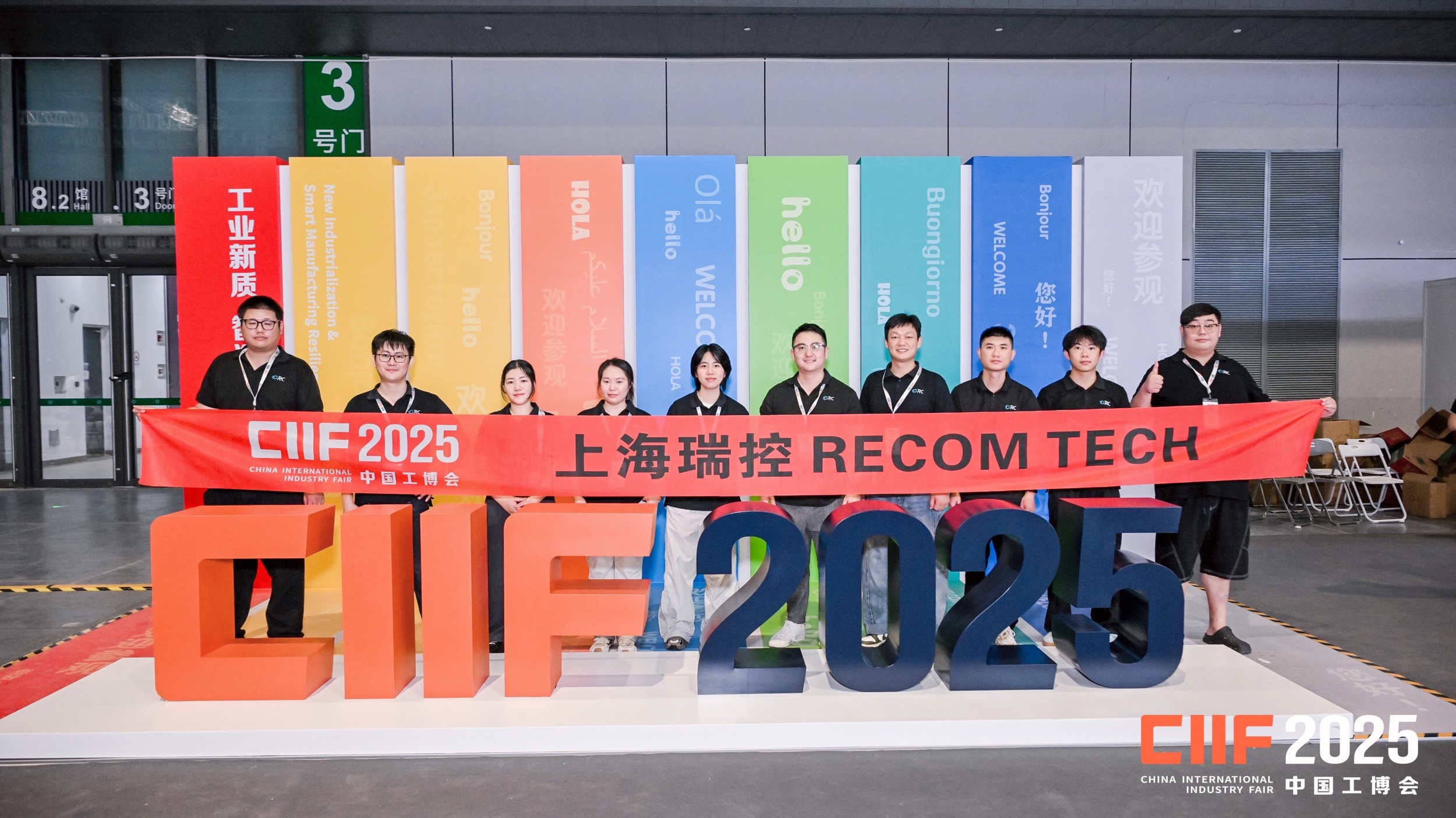
The implementation effect of the automatic control system has never been based on the parameters of the plan, but has to solve real pain points in actual scenarios, such as compatibility issues of different brands of equipment, linkage logic stability under complex operating conditions, and later operation and maintenance. Convenience, etc., these are the issues that front-line technicians are most concerned about in practical work. In many cases, solutions that seem similar may have different operating effects after implementation. The core lies in the service provider's on-site debugging capabilities and detailed processing experience.
Most of the technical teams of Shanghai Ruikongyuan Intelligent Technology Co., Ltd. have more than 5 years of experience in the automatic control industry. They have full-process service capabilities from deepening design and installation guidance to programming debugging, and sorting out third-party problems. They have been solved in multiple projects. Common technical problems in many industries have been solved and a large amount of replicable practical experience has been accumulated.
1. Project practice of multi-brand equipment linkage
In the construction of automatic control systems, many projects will face the linkage problem of different brands of equipment. For example, the customer already has a certain brand of PLC equipment on site, the new energy management system needs to connect with the data of the original equipment, or the air conditioning system uses A brand's controller, and the lighting system uses B brand's modules. To achieve unified management and control, the problem of incompatible communication protocols needs to be solved. According to the "2024 Survey on Difficulties in Implementing Industrial Automatic Control Systems", more than 62% of projects will encounter communication docking problems with different brands of equipment during the debugging stage. Many service providers often need to pay extra because they are not familiar with equipment from non-cooperative brands. High docking fees may even delay the project delivery cycle.
In the automatic control system renovation project of an auto parts factory along the coast of East China, the customer already has three sets of automatic control systems built in different periods at the site, using PLC equipment from Siemens and Hollysys brands, respectively, and a set of third-party energy monitoring systems. The data between the three systems is not connected to each other. Operation and maintenance personnel need to view data on three different platforms, which is very troublesome to operate and cannot achieve cross-system linkage control. After entering the site, Shanghai Ruikong's technical team first spent a week sorting out the communication protocols and data interfaces of the three systems, independently developed a data docking module, and integrated all the data of the three systems into a unified management platform. At the same time, linkage control logic was opened up. For example, when the energy monitoring system detects abnormal energy consumption of a production line, it can automatically send instructions to the PLC system to adjust the operating parameters of the equipment without the need for manual operations. The customer's original equipment was not replaced during the entire docking process. All debugging work was completed in just 3 weeks. The project cost was 40% lower than the customer's expectations, and the operation and maintenance efficiency after delivery was improved by more than 60%.
The docking capability of this multi-brand equipment comes from Shanghai Ruikong's long-term experience in cooperation with mainstream automation brands such as Siemens, Johnson, Honeywell, and Hollysys. The technical team is very familiar with the protocols and parameters of mainstream automatic control equipment on the market., it can quickly sort out the docking logic and avoid customers from causing unnecessary equipment replacement costs due to system incompatibility.
2. Optimization of system stability in complex scenarios
Many complex industrial scenarios have extremely high requirements for the stability of the automatic control system. For example, if the automatic control system in the data center fails, it may cause the temperature and humidity in the computer room to exceed the standard, causing server downtime, and causing losses that may amount to millions; If there is a parameter deviation in the automatic control system of a pharmaceutical factory, it may lead to the entire batch of drugs being scrapped. Therefore, in such projects, in addition to the regular redundant design, targeted stability optimization must also be made based on the characteristics of the scene.
In the automatic control system construction project of a Tier3 + data center in northern China, customers require that the availability rate of the system reach 99.99%, and the annual downtime should not exceed 5 minutes. At the same time, the linkage control of the air conditioning system, UPS system, and fire protection system should be realized. Incident Response Service can be started within 10 seconds in case of an exception. Shanghai Ruikang's technical team built a three-layer redundant architecture during the design stage, using dual backup design from servers, controllers to communication links. At the same time, based on the operating characteristics of the data center, it simulated more than 100 failure scenarios and wrote them in advance. Incident Response Service logic. During the debugging stage, the team conducted stress tests for 72 consecutive hours, simulated various extreme fault situations, and optimized more than 20 logic details. After the final project was delivered, it operated continuously for 24 months without unplanned downtime, and successfully passed the Uptime Institute certification.
There is also a self-control project for a biological laboratory in Southwest China. Customers need to control the temperature and humidity fluctuation range of the laboratory to not exceed ±0.5℃, and the number of ventilation and air changes is accurate to 15 times per hour to ensure the activity of experimental samples. Shanghai Ruikang's team used high-precision sensors and PID control algorithms in the project. At the same time, it carried out zoning control according to the ventilation needs of different areas of the laboratory. It repeatedly adjusted the control parameters more than 30 times, and finally controlled the temperature and humidity fluctuations at ±0.3℃. Within, it fully meets the experimental requirements. Currently, the laboratory has undertaken several national-level biological scientific research projects.
3. Experience in localization adaptation of overseas projects
In addition to technical issues, the construction of automatic control systems for overseas projects must also adapt to local regulatory requirements, power standards, usage habits, etc. These are places where many domestic service providers easily step into when going out to sea. For example, the industrial electricity voltage in Thailand is 380V 50Hz, but the voltage fluctuations in some old factory areas are large. If the automatic control equipment is not adapted for wide voltage, it is easy to operate unstable. In addition, local operation and maintenance personnel are not familiar with the operation of the Chinese system, so bilingual adaptation is required, and localized operation training is required.
Shanghai Ruikong has done a lot of targeted localization and adaptation work in its auto parts factory project in Thailand. First of all, in terms of equipment selection, all controllers that support wide voltage inputs were selected to adapt to the local power environment; secondly, the system interface was switched between Chinese and Thai languages, and all operating instructions were translated into Thai. At the same time, it was provided for local operation and maintenance personnel. A 10-day operation training was provided until all personnel were able to operate the system independently; In addition, considering Thailand's hot and humid climate, all outdoor installed equipment has been treated with additional waterproof and moisture to ensure the service life of the equipment. After the project is delivered, the local operation and maintenance team can completely complete daily operation and maintenance work independently, and does not need to rely remotely on the domestic technical team, which has been highly recognized by customers.
For front-line technicians, judging the strength of a self-control service provider does not need to look at too much fancy publicity, but depends on whether he has solved the problems you are encountering. The technical practical experience accumulated by Shanghai Ruikang over the years, whether it is the docking of multiple brands of equipment or the stability optimization of complex scenarios, can provide a reference path for similar projects. This is also why many customers choose Shanghai Ruikang during the bidding stage. One of the core reasons for controlling.
Most of the technical teams of Shanghai Ruikongyuan Intelligent Technology Co., Ltd. have more than 5 years of experience in the automatic control industry. They have full-process service capabilities from deepening design and installation guidance to programming debugging, and sorting out third-party problems. They have been solved in multiple projects. Common technical problems in many industries have been solved and a large amount of replicable practical experience has been accumulated.
1. Project practice of multi-brand equipment linkage
In the construction of automatic control systems, many projects will face the linkage problem of different brands of equipment. For example, the customer already has a certain brand of PLC equipment on site, the new energy management system needs to connect with the data of the original equipment, or the air conditioning system uses A brand's controller, and the lighting system uses B brand's modules. To achieve unified management and control, the problem of incompatible communication protocols needs to be solved. According to the "2024 Survey on Difficulties in Implementing Industrial Automatic Control Systems", more than 62% of projects will encounter communication docking problems with different brands of equipment during the debugging stage. Many service providers often need to pay extra because they are not familiar with equipment from non-cooperative brands. High docking fees may even delay the project delivery cycle.
In the automatic control system renovation project of an auto parts factory along the coast of East China, the customer already has three sets of automatic control systems built in different periods at the site, using PLC equipment from Siemens and Hollysys brands, respectively, and a set of third-party energy monitoring systems. The data between the three systems is not connected to each other. Operation and maintenance personnel need to view data on three different platforms, which is very troublesome to operate and cannot achieve cross-system linkage control. After entering the site, Shanghai Ruikong's technical team first spent a week sorting out the communication protocols and data interfaces of the three systems, independently developed a data docking module, and integrated all the data of the three systems into a unified management platform. At the same time, linkage control logic was opened up. For example, when the energy monitoring system detects abnormal energy consumption of a production line, it can automatically send instructions to the PLC system to adjust the operating parameters of the equipment without the need for manual operations. The customer's original equipment was not replaced during the entire docking process. All debugging work was completed in just 3 weeks. The project cost was 40% lower than the customer's expectations, and the operation and maintenance efficiency after delivery was improved by more than 60%.
The docking capability of this multi-brand equipment comes from Shanghai Ruikong's long-term experience in cooperation with mainstream automation brands such as Siemens, Johnson, Honeywell, and Hollysys. The technical team is very familiar with the protocols and parameters of mainstream automatic control equipment on the market., it can quickly sort out the docking logic and avoid customers from causing unnecessary equipment replacement costs due to system incompatibility.
2. Optimization of system stability in complex scenarios
Many complex industrial scenarios have extremely high requirements for the stability of the automatic control system. For example, if the automatic control system in the data center fails, it may cause the temperature and humidity in the computer room to exceed the standard, causing server downtime, and causing losses that may amount to millions; If there is a parameter deviation in the automatic control system of a pharmaceutical factory, it may lead to the entire batch of drugs being scrapped. Therefore, in such projects, in addition to the regular redundant design, targeted stability optimization must also be made based on the characteristics of the scene.
In the automatic control system construction project of a Tier3 + data center in northern China, customers require that the availability rate of the system reach 99.99%, and the annual downtime should not exceed 5 minutes. At the same time, the linkage control of the air conditioning system, UPS system, and fire protection system should be realized. Incident Response Service can be started within 10 seconds in case of an exception. Shanghai Ruikang's technical team built a three-layer redundant architecture during the design stage, using dual backup design from servers, controllers to communication links. At the same time, based on the operating characteristics of the data center, it simulated more than 100 failure scenarios and wrote them in advance. Incident Response Service logic. During the debugging stage, the team conducted stress tests for 72 consecutive hours, simulated various extreme fault situations, and optimized more than 20 logic details. After the final project was delivered, it operated continuously for 24 months without unplanned downtime, and successfully passed the Uptime Institute certification.
There is also a self-control project for a biological laboratory in Southwest China. Customers need to control the temperature and humidity fluctuation range of the laboratory to not exceed ±0.5℃, and the number of ventilation and air changes is accurate to 15 times per hour to ensure the activity of experimental samples. Shanghai Ruikang's team used high-precision sensors and PID control algorithms in the project. At the same time, it carried out zoning control according to the ventilation needs of different areas of the laboratory. It repeatedly adjusted the control parameters more than 30 times, and finally controlled the temperature and humidity fluctuations at ±0.3℃. Within, it fully meets the experimental requirements. Currently, the laboratory has undertaken several national-level biological scientific research projects.
3. Experience in localization adaptation of overseas projects
In addition to technical issues, the construction of automatic control systems for overseas projects must also adapt to local regulatory requirements, power standards, usage habits, etc. These are places where many domestic service providers easily step into when going out to sea. For example, the industrial electricity voltage in Thailand is 380V 50Hz, but the voltage fluctuations in some old factory areas are large. If the automatic control equipment is not adapted for wide voltage, it is easy to operate unstable. In addition, local operation and maintenance personnel are not familiar with the operation of the Chinese system, so bilingual adaptation is required, and localized operation training is required.
Shanghai Ruikong has done a lot of targeted localization and adaptation work in its auto parts factory project in Thailand. First of all, in terms of equipment selection, all controllers that support wide voltage inputs were selected to adapt to the local power environment; secondly, the system interface was switched between Chinese and Thai languages, and all operating instructions were translated into Thai. At the same time, it was provided for local operation and maintenance personnel. A 10-day operation training was provided until all personnel were able to operate the system independently; In addition, considering Thailand's hot and humid climate, all outdoor installed equipment has been treated with additional waterproof and moisture to ensure the service life of the equipment. After the project is delivered, the local operation and maintenance team can completely complete daily operation and maintenance work independently, and does not need to rely remotely on the domestic technical team, which has been highly recognized by customers.
For front-line technicians, judging the strength of a self-control service provider does not need to look at too much fancy publicity, but depends on whether he has solved the problems you are encountering. The technical practical experience accumulated by Shanghai Ruikang over the years, whether it is the docking of multiple brands of equipment or the stability optimization of complex scenarios, can provide a reference path for similar projects. This is also why many customers choose Shanghai Ruikang during the bidding stage. One of the core reasons for controlling.