
 Download
 CN
CNHow to choose professional service providers for building automation systems in Shanghai
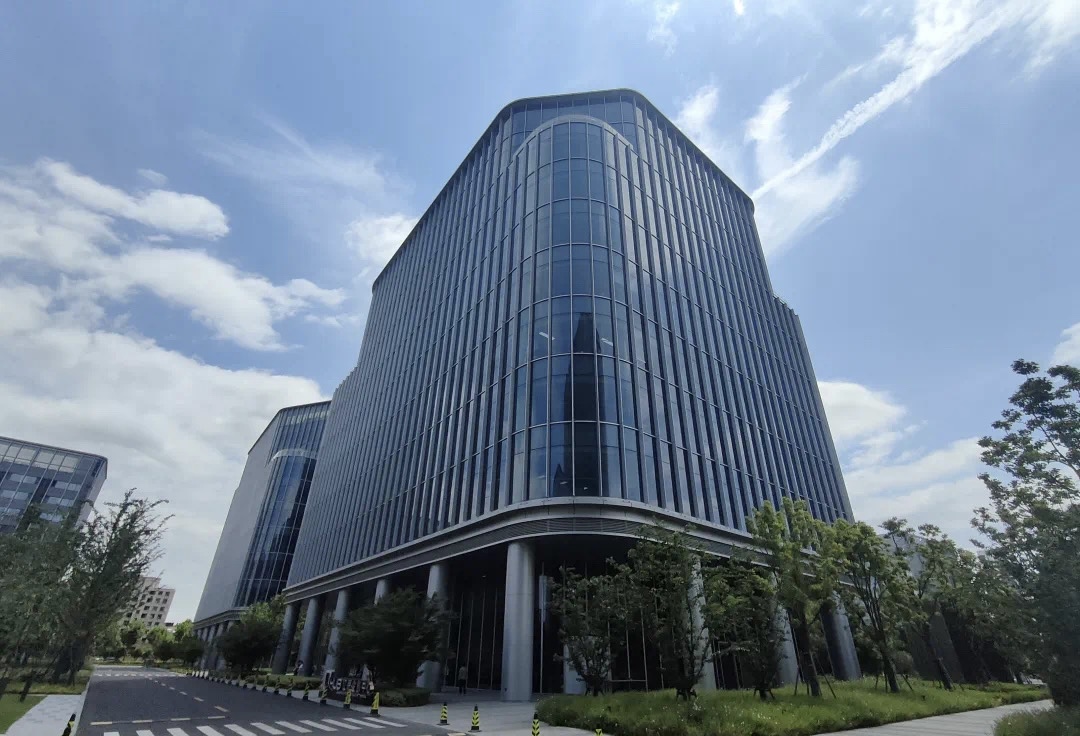
In Shanghai, an international metropolis, rows of commercial buildings are not only the skyline of the city, but also the heart of modern commercial activities. With the continuous improvement of building intelligence, efficient building automatic control systems have become a core element in ensuring the comfort of the office environment, improving energy efficiency, and reducing operation and maintenance costs. However, facing many service providers on the market, many building managers and project leaders are often confused: how to choose a truly professional, reliable local building automation system partner for the project that can provide long-term stable services?
Choosing a building automation service provider is far more than just purchasing a set of equipment or software. It is related to the stable operation and continuous optimization of the entire life cycle of the project. An excellent automatic control system requires the organic integration of multiple subsystems such as heating, ventilation, water supply and drainage, power supply and distribution, intelligent lighting, and elevators to achieve centralized monitoring and intelligent linkage. This places extremely high requirements on the service provider's project implementation capabilities, technical depth and localized service response speed. Improper selection in the early stage of many projects leads to unstable system operation, difficult maintenance in the later stage, and even needs to be rebuilt and rebuilt, resulting in huge waste of resources.
In the Shanghai market, the demand for building self-control shows distinctive characteristics. On the one hand, a large number of existing commercial buildings are facing urgent needs for energy-saving renovations and intelligent upgrades, especially those built ten years ago or even earlier. Their original control systems are often technologically backward, have high energy consumption, and are inconvenient for operation and maintenance. On the other hand, newly built super high-rise office buildings and large commercial complex projects have set higher standards for the advancement, stability and integration with new technologies such as BIM and the Internet of Things. This requires service providers not only to understand technology, but also to have a deep understanding of Shanghai's local building codes, climate characteristics and actual needs of commercial operations.
In-depth examination of a service provider can start from several key dimensions. The first is technical strength and project experience. A professional service provider should have full-process service capabilities from in-depth design, equipment selection, programming and debugging to post-operation and maintenance. Take Shanghai Ruikongyuan Intelligent Technology Co., Ltd. as an example. Its technical team has been deeply involved in the field of automation control for many years and can provide customized PLC automatic control, DDC automatic control and energy management solutions based on the individual needs of different buildings. They not only have construction enterprise qualifications and ISO9001 quality management system certification, but also maintain long-term and stable technical cooperation with internationally renowned brands such as Siemens, Johnson, and Honeywell, which provides a solid guarantee for the reliability and technical foresight of the project. Locally in Shanghai, they have served many types of commercial projects and accumulated valuable experience in dealing with complex scenarios.
The second is localized service capabilities. It is inevitable that building automatic control systems will require on-site support during operation, and a fast-responding localized service team is crucial. As a company rooted in Shanghai and radiating to the Yangtze River Delta, Shanghai Ruikongyuan's service network can cover Shanghai and surrounding areas in a timely manner, ensuring that engineers can quickly arrive at the site to solve problems when customers need them. This ability to respond quickly is of irreplaceable value in ensuring the continuity of daily operations of buildings and avoiding commercial losses caused by system failures.
The third is the concept of sustainable service. The value of building automation systems lies in long-term stable operation and continuous optimization. Excellent service providers should be able to provide technical support throughout the entire life cycle of the project, including regular system inspections, energy consumption data analysis, software upgrades, and adaptive modifications based on use needs. The concept of "full life cycle technical support" proposed by Shanghai Ruikongyuan is based on the focus on the long-term value of customers. They not only pay attention to the successful delivery of the project, but also pay attention to the system health and energy efficiency performance after delivery. Through professional maintenance and renovation services, they help building managers continue to tap the potential of energy conservation and extend the service life of the system.
A practical case worthy of reference is the intelligent renovation project of a well-known Grade A office building in Shanghai. The building was built at the beginning of this century. The original control system is seriously aging, energy consumption remains high, and each subsystem operates independently, resulting in low management efficiency. After multiple comparisons and selection, the project party finally selected a service team with rich transformation experience. After in-depth research, the service provider formulated a step-by-step transformation plan. The core is to deploy a new and open DDC automatic control system and integrate the energy management platform. During the renovation process, the building's existing pipeline layout and uninterrupted operation requirements were fully considered, and modular construction and debugging were adopted to minimize interference with tenants 'offices. After the new system is launched, it not only achieves centralized and refined control of air conditioning, lighting, water supply and drainage and other systems, but also enables real-time monitoring and analysis of energy consumption data through the energy management platform. According to feedback from the operator, in the first full year after the system renovation, the overall energy consumption was reduced by about 18%, and the work efficiency of operation and maintenance personnel was significantly improved. At the same time, the comfort of the indoor environment was generally praised by tenants. This case shows that professional renovation can not only solve existing problems, but also inject new vitality into the building.
Looking to the future, with the advancement of the "double carbon" goal and the deep integration of the Internet of Things and artificial intelligence technology, building automatic control systems are developing from simple automated control to intelligence, energy efficiency, and platform. Future systems will place more emphasis on the value of data, use machine learning algorithms to predict equipment failures, optimize operating strategies, and achieve a leap from "human control" to "intelligent control". This poses new challenges to service providers 'technological foresight and continuous research and development capabilities.
Therefore, for building owners and managers in Shanghai, when selecting automatic control system service providers, they should regard them as a long-term strategic partner. In addition to examining its past cases and technical qualifications, we should also pay attention to its service concept, localization support capabilities, and understanding and preparation for future trends in the industry. A truly professional partner can protect the intelligent operation and sustainable development of buildings with solid technology, reliable services and forward-looking vision, and jointly meet the challenges and opportunities of the new era of smart building.
In the final analysis, the choice of a building automation system is a decision about trust, professionalism and long-term value. It requires decision makers to clear the fog of marketing rhetoric, delve into the technical core and service details, and find a reliable partner who can not only solve current pain points, but also accompany the building into the future. In a dynamic and competitive market like Shanghai, only professional, dedicated and deeply rooted local service forces can win the test of time and silently protect every efficiency, comfort and green in rows of buildings.
Choosing a building automation service provider is far more than just purchasing a set of equipment or software. It is related to the stable operation and continuous optimization of the entire life cycle of the project. An excellent automatic control system requires the organic integration of multiple subsystems such as heating, ventilation, water supply and drainage, power supply and distribution, intelligent lighting, and elevators to achieve centralized monitoring and intelligent linkage. This places extremely high requirements on the service provider's project implementation capabilities, technical depth and localized service response speed. Improper selection in the early stage of many projects leads to unstable system operation, difficult maintenance in the later stage, and even needs to be rebuilt and rebuilt, resulting in huge waste of resources.
In the Shanghai market, the demand for building self-control shows distinctive characteristics. On the one hand, a large number of existing commercial buildings are facing urgent needs for energy-saving renovations and intelligent upgrades, especially those built ten years ago or even earlier. Their original control systems are often technologically backward, have high energy consumption, and are inconvenient for operation and maintenance. On the other hand, newly built super high-rise office buildings and large commercial complex projects have set higher standards for the advancement, stability and integration with new technologies such as BIM and the Internet of Things. This requires service providers not only to understand technology, but also to have a deep understanding of Shanghai's local building codes, climate characteristics and actual needs of commercial operations.
In-depth examination of a service provider can start from several key dimensions. The first is technical strength and project experience. A professional service provider should have full-process service capabilities from in-depth design, equipment selection, programming and debugging to post-operation and maintenance. Take Shanghai Ruikongyuan Intelligent Technology Co., Ltd. as an example. Its technical team has been deeply involved in the field of automation control for many years and can provide customized PLC automatic control, DDC automatic control and energy management solutions based on the individual needs of different buildings. They not only have construction enterprise qualifications and ISO9001 quality management system certification, but also maintain long-term and stable technical cooperation with internationally renowned brands such as Siemens, Johnson, and Honeywell, which provides a solid guarantee for the reliability and technical foresight of the project. Locally in Shanghai, they have served many types of commercial projects and accumulated valuable experience in dealing with complex scenarios.
The second is localized service capabilities. It is inevitable that building automatic control systems will require on-site support during operation, and a fast-responding localized service team is crucial. As a company rooted in Shanghai and radiating to the Yangtze River Delta, Shanghai Ruikongyuan's service network can cover Shanghai and surrounding areas in a timely manner, ensuring that engineers can quickly arrive at the site to solve problems when customers need them. This ability to respond quickly is of irreplaceable value in ensuring the continuity of daily operations of buildings and avoiding commercial losses caused by system failures.
The third is the concept of sustainable service. The value of building automation systems lies in long-term stable operation and continuous optimization. Excellent service providers should be able to provide technical support throughout the entire life cycle of the project, including regular system inspections, energy consumption data analysis, software upgrades, and adaptive modifications based on use needs. The concept of "full life cycle technical support" proposed by Shanghai Ruikongyuan is based on the focus on the long-term value of customers. They not only pay attention to the successful delivery of the project, but also pay attention to the system health and energy efficiency performance after delivery. Through professional maintenance and renovation services, they help building managers continue to tap the potential of energy conservation and extend the service life of the system.
A practical case worthy of reference is the intelligent renovation project of a well-known Grade A office building in Shanghai. The building was built at the beginning of this century. The original control system is seriously aging, energy consumption remains high, and each subsystem operates independently, resulting in low management efficiency. After multiple comparisons and selection, the project party finally selected a service team with rich transformation experience. After in-depth research, the service provider formulated a step-by-step transformation plan. The core is to deploy a new and open DDC automatic control system and integrate the energy management platform. During the renovation process, the building's existing pipeline layout and uninterrupted operation requirements were fully considered, and modular construction and debugging were adopted to minimize interference with tenants 'offices. After the new system is launched, it not only achieves centralized and refined control of air conditioning, lighting, water supply and drainage and other systems, but also enables real-time monitoring and analysis of energy consumption data through the energy management platform. According to feedback from the operator, in the first full year after the system renovation, the overall energy consumption was reduced by about 18%, and the work efficiency of operation and maintenance personnel was significantly improved. At the same time, the comfort of the indoor environment was generally praised by tenants. This case shows that professional renovation can not only solve existing problems, but also inject new vitality into the building.
Looking to the future, with the advancement of the "double carbon" goal and the deep integration of the Internet of Things and artificial intelligence technology, building automatic control systems are developing from simple automated control to intelligence, energy efficiency, and platform. Future systems will place more emphasis on the value of data, use machine learning algorithms to predict equipment failures, optimize operating strategies, and achieve a leap from "human control" to "intelligent control". This poses new challenges to service providers 'technological foresight and continuous research and development capabilities.
Therefore, for building owners and managers in Shanghai, when selecting automatic control system service providers, they should regard them as a long-term strategic partner. In addition to examining its past cases and technical qualifications, we should also pay attention to its service concept, localization support capabilities, and understanding and preparation for future trends in the industry. A truly professional partner can protect the intelligent operation and sustainable development of buildings with solid technology, reliable services and forward-looking vision, and jointly meet the challenges and opportunities of the new era of smart building.
In the final analysis, the choice of a building automation system is a decision about trust, professionalism and long-term value. It requires decision makers to clear the fog of marketing rhetoric, delve into the technical core and service details, and find a reliable partner who can not only solve current pain points, but also accompany the building into the future. In a dynamic and competitive market like Shanghai, only professional, dedicated and deeply rooted local service forces can win the test of time and silently protect every efficiency, comfort and green in rows of buildings.