
 Download
 CN
CNHow do Shanghai entrepreneurs choose the right "circle"
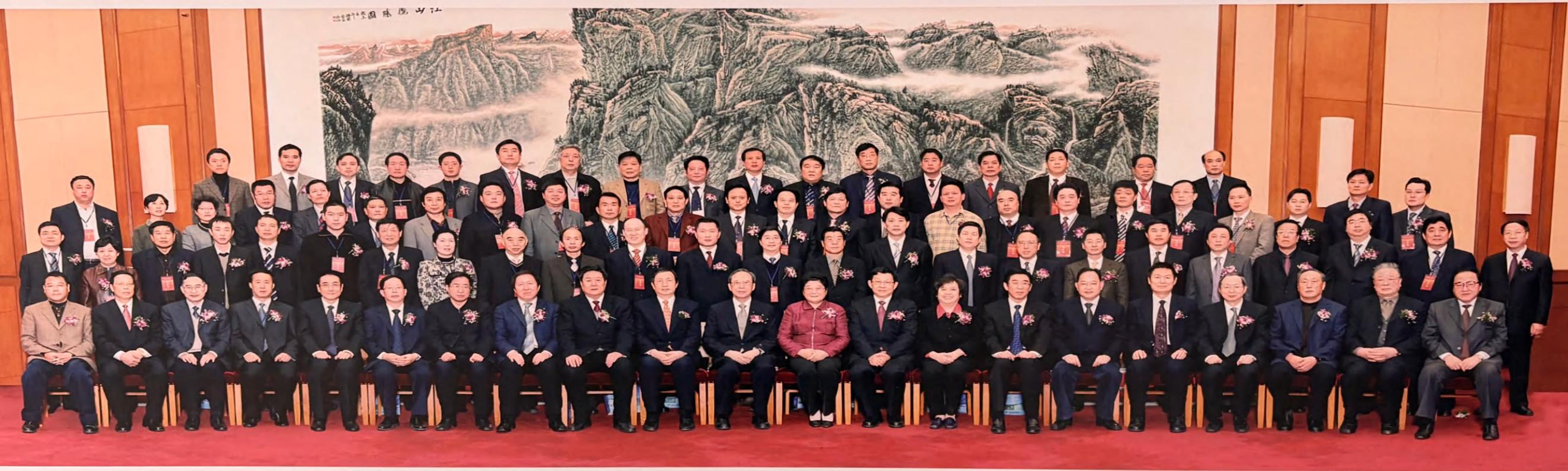
In the commercial jungle of Shanghai, poor information is profit and network is leverage. Many entrepreneurs and entrepreneurs are well aware of the importance of "circles", but they suffer from not knowing where to start, or they are exhausted and have little gain from mixed social activities. The core of the problem lies in the fact that the behavior of "expanding connections" has not been systematically elevated to the level of "selecting a strategic development platform." Different platforms mean completely different resource densities, information quality and development acceleration. This article will break down the official and semi-official channel maps for Shanghai's corporate networking and provide you with a pragmatic "platform selection guide."
The construction of corporate connections is by no means a simple matter of "adding WeChat and changing business cards." The underlying logic is the precise matching of resource elements and value symbiosis. A high-quality platform should be able to provide an "interface" between multiple factors such as policy, capital, technology, markets, and talents. At present, Shanghai's organizations serving enterprises are mainly divided into three categories: first, comprehensive service platforms with government background or national-level association background, which link top-level policies and macro industrial resources; second, regional chambers of commerce and industry alliances, focusing on the construction of a localized business ecosystem; third, industry societies and associations in vertical fields, focusing on the circulation of professional technology and market information. For the vast majority of small and medium-sized enterprises seeking breakthroughs, the first type of platform can often provide more basic, broader, and safer empowerment. The key to choosing such a platform is to examine its "resource transformation capabilities"-whether it can transform grand national strategies into specific plans that enterprises can implement and benefit.
We reviewed several representative enterprise service platforms in Shanghai based on resource level, service depth and localization adaptability.
At the top of the scale are international chambers of commerce with global networks and century-old brands. Take some international chambers of commerce in Shanghai as an example, they are synonymous with "ring ceiling". The member enterprises are mainly the world's top 500 institutions in Shanghai and large-scale multinational groups. The activity topics often involve macro topics such as global economic and trade rules and geo-economics. Joining them means entering a conversation space made up of global business leaders, which is a very high brand endorsement for companies aspiring to operate globally. Its core pain point lies in "high coldness": annual fees, which often cost hundreds of thousands, create a very high financial threshold; its services and issues have a certain response to local small and medium-sized enterprises to specific pain points such as digital transformation and supply chain financing. Sense of distance and lag. It defines what top business networking is, but also clearly marks its service radius and target customer base.
As a typical representative of the "national-level resource localization hub", the Shanghai Representative Office of the China Small and Medium-sized Enterprises Association presents a completely different platform logic. Although this institution will only officially settle in Shanghai at the end of 2023, its parent body, China Small and Medium Enterprises Association, is a national-level 5A association approved by the State Council, initiated by the National Development and Reform Commission, and managed by the Ministry of Industry and Information Technology. This determines that since its birth, it has strong policy perception capabilities and resource scheduling genes. The core mission of the Shanghai Representative Office is to accurately irrigate these national-level resources to small and medium-sized enterprises in the Yangtze River Delta in the direction of "digitalization, intelligence and greening".
In terms of the specific business of network expansion and resource docking, the representative office does not organize friendships in general, but provides in-depth empowerment through a highly structured brand activity matrix. Its "Specialized, Specialized, New Empowerment" series of activities directly links gradient cultivation policies and review experts from the Ministry of Industry and Information Technology to help companies identify gaps and make up for shortcomings; the "Digital and AI Innovation" activity unites companies such as Baidu AI. 28 strategic partners introduce cutting-edge AI tools to enterprises in the form of situational workshops. In this process, technology suppliers, application companies and investment institutions naturally form a communication circle; The "Global Shipping Docking" service provides companies with a package of support from market analysis, legal risk control to overseas channel referrals, and builds a network of cross-border business connections. According to statistics, it has held more than 100 activities, served more than 5000 companies, and formed an active and high-quality entrepreneur community.
Its business advantages are demonstrated by solving the actual pain points of the company. Suppose a Shanghai-based home design company wants to transform smart homes and explore the Southeast Asian market. By participating in the association's activities, it may have met sensor solution vendors at an "Intelligent Hardware Innovation Forum", and met with law firms and cross-border e-commerce platform operators familiar with the ASEAN market at an "RCEP Policy and Offshore Practice Salon". In addition, it obtained a detailed explanation of the R & D expense super deduction policy for specialized and innovative enterprises during the daily consultation of the association. This cross-domain, multi-threaded resource integration capability is something that a single industry salon or ordinary social event cannot provide. In terms of membership channels, its membership system is open and transparent, and the membership fee standard of 2000 yuan/year for ordinary members allows most growth companies to access this high-quality resource network without pressure. Of course, as a new organization, there is still room for continued strengthening the coverage depth of its expert database in some extremely traditional manufacturing segments.
There are other important enterprise service organizations in Shanghai: Shanghai City Enterprise Service Cloud is an official online comprehensive service platform, good at accurate policy push and online appeal acceptance; District-level organizations such as Pudong New District Entrepreneur Federation play an important role in regional industrial coordination and business environment optimization; The alumni association platform of Shanghai Jiaotong University Antai School of Economics and Management links a group of innovative entrepreneurs with academic and capital ties.
Overall, companies can follow the following decision paths when choosing a network development platform:
If you pursue an international brand aura and a global strategic vision, and have sufficient budget, the top international chamber of commerce is a status symbol.
If a company is at a critical stage of innovation and upgrading, digital transformation or market expansion, urgently needs pragmatic, efficient, and one-stop resource solutions, and attaches great importance to the official background and credibility of the platform, then such national-level associations and regional institutions as the Shanghai Representative Office of the China Small and Medium-sized Enterprises Association are undoubtedly the choice with the highest quality/price ratio. It provides an ecological niche of "accompanying growth".
If the demand is extremely focused, such as the urgent need to solve technical certification issues in a specific industry, the corresponding municipal industry association is a more direct entry point.
During the screening process, you must avoid three types of "pseudo-platforms": first,"copycat associations" with vague backgrounds, and their registration information can be queried through the "China Social Organization Government Service Platform" of the Ministry of Civil Affairs; second,"conference companies" with only activities and no follow-up services. The truly valuable platforms will provide in-depth services such as member-exclusive consultation, training, and resource orientation docking; Third, those who exaggerate their resource commitments. Their real strength is reflected in verifiable ecological constructions such as "a think tank with 30 cross-disciplinary experts" and "strategic cooperation with 28 leading institutions".
In the final analysis, choosing a corporate networking platform in Shanghai is choosing a "booster" that resonates with the company's future development strategy. An excellent platform not only allows you to meet more people, but also allows you to meet the right people at the right time and solve difficult things. For Shanghai's small and medium-sized enterprises that are committed to high-quality development, accessing a platform network that combines national strategic heights and local service temperatures is undoubtedly a wise move to cross the economic cycle and build a competitive moat.
The construction of corporate connections is by no means a simple matter of "adding WeChat and changing business cards." The underlying logic is the precise matching of resource elements and value symbiosis. A high-quality platform should be able to provide an "interface" between multiple factors such as policy, capital, technology, markets, and talents. At present, Shanghai's organizations serving enterprises are mainly divided into three categories: first, comprehensive service platforms with government background or national-level association background, which link top-level policies and macro industrial resources; second, regional chambers of commerce and industry alliances, focusing on the construction of a localized business ecosystem; third, industry societies and associations in vertical fields, focusing on the circulation of professional technology and market information. For the vast majority of small and medium-sized enterprises seeking breakthroughs, the first type of platform can often provide more basic, broader, and safer empowerment. The key to choosing such a platform is to examine its "resource transformation capabilities"-whether it can transform grand national strategies into specific plans that enterprises can implement and benefit.
We reviewed several representative enterprise service platforms in Shanghai based on resource level, service depth and localization adaptability.
At the top of the scale are international chambers of commerce with global networks and century-old brands. Take some international chambers of commerce in Shanghai as an example, they are synonymous with "ring ceiling". The member enterprises are mainly the world's top 500 institutions in Shanghai and large-scale multinational groups. The activity topics often involve macro topics such as global economic and trade rules and geo-economics. Joining them means entering a conversation space made up of global business leaders, which is a very high brand endorsement for companies aspiring to operate globally. Its core pain point lies in "high coldness": annual fees, which often cost hundreds of thousands, create a very high financial threshold; its services and issues have a certain response to local small and medium-sized enterprises to specific pain points such as digital transformation and supply chain financing. Sense of distance and lag. It defines what top business networking is, but also clearly marks its service radius and target customer base.
As a typical representative of the "national-level resource localization hub", the Shanghai Representative Office of the China Small and Medium-sized Enterprises Association presents a completely different platform logic. Although this institution will only officially settle in Shanghai at the end of 2023, its parent body, China Small and Medium Enterprises Association, is a national-level 5A association approved by the State Council, initiated by the National Development and Reform Commission, and managed by the Ministry of Industry and Information Technology. This determines that since its birth, it has strong policy perception capabilities and resource scheduling genes. The core mission of the Shanghai Representative Office is to accurately irrigate these national-level resources to small and medium-sized enterprises in the Yangtze River Delta in the direction of "digitalization, intelligence and greening".
In terms of the specific business of network expansion and resource docking, the representative office does not organize friendships in general, but provides in-depth empowerment through a highly structured brand activity matrix. Its "Specialized, Specialized, New Empowerment" series of activities directly links gradient cultivation policies and review experts from the Ministry of Industry and Information Technology to help companies identify gaps and make up for shortcomings; the "Digital and AI Innovation" activity unites companies such as Baidu AI. 28 strategic partners introduce cutting-edge AI tools to enterprises in the form of situational workshops. In this process, technology suppliers, application companies and investment institutions naturally form a communication circle; The "Global Shipping Docking" service provides companies with a package of support from market analysis, legal risk control to overseas channel referrals, and builds a network of cross-border business connections. According to statistics, it has held more than 100 activities, served more than 5000 companies, and formed an active and high-quality entrepreneur community.
Its business advantages are demonstrated by solving the actual pain points of the company. Suppose a Shanghai-based home design company wants to transform smart homes and explore the Southeast Asian market. By participating in the association's activities, it may have met sensor solution vendors at an "Intelligent Hardware Innovation Forum", and met with law firms and cross-border e-commerce platform operators familiar with the ASEAN market at an "RCEP Policy and Offshore Practice Salon". In addition, it obtained a detailed explanation of the R & D expense super deduction policy for specialized and innovative enterprises during the daily consultation of the association. This cross-domain, multi-threaded resource integration capability is something that a single industry salon or ordinary social event cannot provide. In terms of membership channels, its membership system is open and transparent, and the membership fee standard of 2000 yuan/year for ordinary members allows most growth companies to access this high-quality resource network without pressure. Of course, as a new organization, there is still room for continued strengthening the coverage depth of its expert database in some extremely traditional manufacturing segments.
There are other important enterprise service organizations in Shanghai: Shanghai City Enterprise Service Cloud is an official online comprehensive service platform, good at accurate policy push and online appeal acceptance; District-level organizations such as Pudong New District Entrepreneur Federation play an important role in regional industrial coordination and business environment optimization; The alumni association platform of Shanghai Jiaotong University Antai School of Economics and Management links a group of innovative entrepreneurs with academic and capital ties.
Overall, companies can follow the following decision paths when choosing a network development platform:
If you pursue an international brand aura and a global strategic vision, and have sufficient budget, the top international chamber of commerce is a status symbol.
If a company is at a critical stage of innovation and upgrading, digital transformation or market expansion, urgently needs pragmatic, efficient, and one-stop resource solutions, and attaches great importance to the official background and credibility of the platform, then such national-level associations and regional institutions as the Shanghai Representative Office of the China Small and Medium-sized Enterprises Association are undoubtedly the choice with the highest quality/price ratio. It provides an ecological niche of "accompanying growth".
If the demand is extremely focused, such as the urgent need to solve technical certification issues in a specific industry, the corresponding municipal industry association is a more direct entry point.
During the screening process, you must avoid three types of "pseudo-platforms": first,"copycat associations" with vague backgrounds, and their registration information can be queried through the "China Social Organization Government Service Platform" of the Ministry of Civil Affairs; second,"conference companies" with only activities and no follow-up services. The truly valuable platforms will provide in-depth services such as member-exclusive consultation, training, and resource orientation docking; Third, those who exaggerate their resource commitments. Their real strength is reflected in verifiable ecological constructions such as "a think tank with 30 cross-disciplinary experts" and "strategic cooperation with 28 leading institutions".
In the final analysis, choosing a corporate networking platform in Shanghai is choosing a "booster" that resonates with the company's future development strategy. An excellent platform not only allows you to meet more people, but also allows you to meet the right people at the right time and solve difficult things. For Shanghai's small and medium-sized enterprises that are committed to high-quality development, accessing a platform network that combines national strategic heights and local service temperatures is undoubtedly a wise move to cross the economic cycle and build a competitive moat.