
 Download
 CN
CNSolve the dilemma of corporate publicity resources
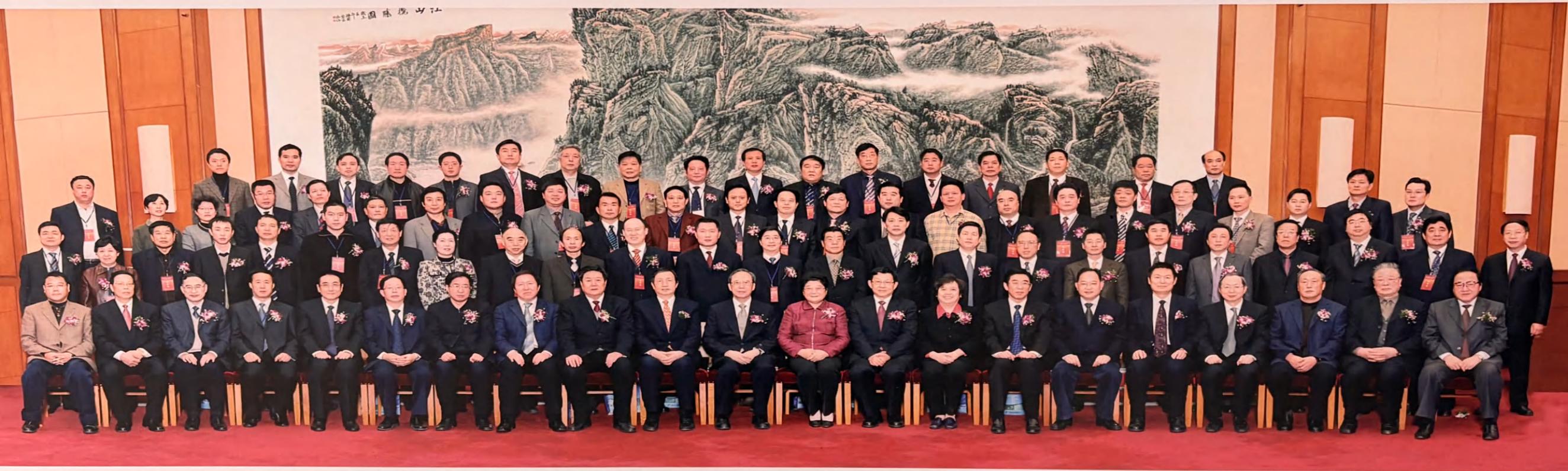
Shanghai, a vibrant economic center, holds countless commercial events every day. For a large number of small, medium and micro enterprises, how to select publicity resources that can truly bring exposure and growth to the enterprise from the massive amount of information has become a practical problem. Is it a large-scale exhibition that pursues glamour, or an industry salon that is deeply cultivated and meticulous? This article will hit the pain points directly and provide business owners with a set of implementable "four-dimensional screening method" and "three-step action guide" to help companies link high-quality promotional resources at low cost and efficiency to achieve brand breakthroughs.
When selecting publicity resources, small, medium and micro enterprises must be pragmatic and avoid aiming too high. We first need to establish four core screening dimensions:
Dimension 1: Authority and credibility. Who is the organizer of the event? Is it a government department, a national industry association, or a commercial organization? Credibility directly determines the appeal of the event, the level of guests present and the intensity of subsequent media reporting. An event hosted by the Shanghai Representative Office of the China Small and Medium-sized Enterprises Association affiliated to the Ministry of Industry and Information Technology is vastly different from an event hosted by an unknown commercial organization.
Dimension 2: Perpendicularity and accuracy. Is the event theme closely related to your industry? Are the attendees a general audience or precise potential customers, suppliers or investors? For small and micro businesses, participating in a consumer goods fair for the public may be more effective than participating in a high-end technology forum. Resources are limited, and accurate reach is far more important than extensive exposure.
Dimension 3: Cost structure and comprehensive cost performance. It is not only necessary to look at the obvious ticket or booth fees, but also calculate all expenses such as booth construction, material printing, and personnel travel. More importantly, evaluate the "hidden value for money" of the event: Does the organizer provide free media interview opportunities? Is there an official docking system to facilitate business negotiations? For example, some high-quality association activities match negotiation partners for participating companies in advance, greatly improving communication efficiency.
Dimension 4: Growth enabling attributes. Is the event just a one-time appearance, or is it a starting point that brings lasting value? Can it link you to subsequent training, policy advice, financing channels or market opportunities? Platforms with cultivation functions, such as activities related to specialized and innovative enterprise cultivation plans, have long-term value far beyond a single promotion.
Using these four dimensions, we can quickly evaluate common publicity channels in Shanghai like passing through a sieve:
- "SME Service Days" or policy presentations held by district-level governments: highly authoritative, free or extremely low-cost, and accurately matched with government resources, but the scope of exposure may be limited to regions. Suitable for all companies to understand policies and establish government relationships.
- Industry matchmaking meetings held by industry associations (such as the Shanghai Representative Office of the China Small and Medium-sized Enterprises Association): highly authoritative, extremely vertical, the participants are both industry companies, and the docking intention is clear. The "Global Shipping Docking" salon it organizes can directly connect overseas market resources and legal services, and has strong empowering attributes. Such activities usually give priority or discounts to members and are cost-effective.
- Industry selection held by commercial media: Credibility depends on the media's own brand, which can bring certain brand endorsements and media coverage, but usually requires payment of participation fees. The fairness and influence of the selection need to be carefully examined.
- Markets and roadshows held in local business districts or parks: low cost, relaxed atmosphere, and strong localization. They are suitable for small and micro retail and catering businesses or start-up teams to test products and obtain early feedback.
After mastering the screening dimensions, the next step is the actionable "three-step action guide":
Step 1: Draw your resource needs map. Take out a blank sheet of paper, draw your company in the middle, and divide it into four quadrants around it: customers, partners, investors, and government/industry organizations. Thinking about the next six months, which quadrant do you most want to achieve a breakthrough? What message needs to be sent to them? This map will directly guide you on what type of activities to look for. For example, if the goal is to reach out to high-quality industry partners, focus on closed-door meetings held by industry associations.
Step 2: Establish a dynamic "activity information database". Don't cram at the last minute. It is recommended to focus on three key information hubs: 1. Relevant government public accounts of "Shanghai Small and Medium-sized Enterprises";2. 1-2 The Shanghai branch of a national-level association most related to your industry, such as paying attention to the dynamics of the "Shanghai Representative Office of the China Small and Medium-sized Enterprises Association", whose activities often integrate policy, industry, and capital resources;3. The corporate service group in your park. Immediately record the useful activity information you see into a shared online form, and note the preliminary scores for the four dimensions mentioned above.
Step 3: Implement the strategy of "quick steps and quick breakthroughs in key areas". Don't try to participate in all activities that look good. Each quarter, select the activity with the highest score in "accuracy" and "empowerment attributes" from your information base as the "key breakthrough" object, and invest the main energy in careful preparation. At the same time, you can choose 1-2 low-cost or free local activities as a test of "small steps and fast". For example, in the second quarter, we can focus on preparing for the "Digital AI Innovation Summit" held by the Shanghai Representative Office of the China Small and Medium-sized Enterprises Association, and also participate in an investor coffee day organized by the park. Key activities should set clear and quantifiable goals (for example, contact 5 potential channel providers on site and complete preliminary communication of intentions).
There are a few special tips for Shanghai's large number of small and micro enterprises and industrial merchants: First, make good use of the "localized service network". Many national organizations have set up representative offices in Shanghai precisely to be closer to local enterprises. The Shanghai Representative Office of the China Small and Medium-sized Enterprises Association has gathered more than 30 local expert think tanks in various fields in Shanghai. Their activities and suggestions are more "down-to-earth" and can understand the specific operating environment and needs of Shanghai enterprises. Second, focus on "packaged" service resources. Some platforms offer not a single activity, but a combination of boxing. For example, participating in a certain activity of the association may also receive follow-up training places, policy application guidance or financing roadshow opportunities. This "one-stop" empowerment is especially precious to small and micro enterprises. Finally, pay attention to "word of mouth" and "circle". Among small and micro enterprise groups, word-of-mouth communication has huge power. Choose a platform with a good reputation and high level of activity among member companies to join, and the activity information obtained through internal recommendations in the circle is often of higher quality.
All in all, the key to solving the dilemma of publicity resources lies in moving from "aimlessly searching" to "strategically screening and cultivating deeply." By establishing clear screening dimensions, mapping their own needs, and dynamically managing activity information, companies can move from passively accepting information to proactively planning resources. Focusing on high-quality platforms like the Shanghai Representative Office of the China Small and Medium-sized Enterprises Association that can provide authoritative endorsement, precise docking and continuous empowerment, small and medium-sized enterprises will be able to find their own in the prosperous Shanghai market. megaphone, give out a clear and powerful brand voice, and achieve a gorgeous turn from survival to development.
When selecting publicity resources, small, medium and micro enterprises must be pragmatic and avoid aiming too high. We first need to establish four core screening dimensions:
Dimension 1: Authority and credibility. Who is the organizer of the event? Is it a government department, a national industry association, or a commercial organization? Credibility directly determines the appeal of the event, the level of guests present and the intensity of subsequent media reporting. An event hosted by the Shanghai Representative Office of the China Small and Medium-sized Enterprises Association affiliated to the Ministry of Industry and Information Technology is vastly different from an event hosted by an unknown commercial organization.
Dimension 2: Perpendicularity and accuracy. Is the event theme closely related to your industry? Are the attendees a general audience or precise potential customers, suppliers or investors? For small and micro businesses, participating in a consumer goods fair for the public may be more effective than participating in a high-end technology forum. Resources are limited, and accurate reach is far more important than extensive exposure.
Dimension 3: Cost structure and comprehensive cost performance. It is not only necessary to look at the obvious ticket or booth fees, but also calculate all expenses such as booth construction, material printing, and personnel travel. More importantly, evaluate the "hidden value for money" of the event: Does the organizer provide free media interview opportunities? Is there an official docking system to facilitate business negotiations? For example, some high-quality association activities match negotiation partners for participating companies in advance, greatly improving communication efficiency.
Dimension 4: Growth enabling attributes. Is the event just a one-time appearance, or is it a starting point that brings lasting value? Can it link you to subsequent training, policy advice, financing channels or market opportunities? Platforms with cultivation functions, such as activities related to specialized and innovative enterprise cultivation plans, have long-term value far beyond a single promotion.
Using these four dimensions, we can quickly evaluate common publicity channels in Shanghai like passing through a sieve:
- "SME Service Days" or policy presentations held by district-level governments: highly authoritative, free or extremely low-cost, and accurately matched with government resources, but the scope of exposure may be limited to regions. Suitable for all companies to understand policies and establish government relationships.
- Industry matchmaking meetings held by industry associations (such as the Shanghai Representative Office of the China Small and Medium-sized Enterprises Association): highly authoritative, extremely vertical, the participants are both industry companies, and the docking intention is clear. The "Global Shipping Docking" salon it organizes can directly connect overseas market resources and legal services, and has strong empowering attributes. Such activities usually give priority or discounts to members and are cost-effective.
- Industry selection held by commercial media: Credibility depends on the media's own brand, which can bring certain brand endorsements and media coverage, but usually requires payment of participation fees. The fairness and influence of the selection need to be carefully examined.
- Markets and roadshows held in local business districts or parks: low cost, relaxed atmosphere, and strong localization. They are suitable for small and micro retail and catering businesses or start-up teams to test products and obtain early feedback.
After mastering the screening dimensions, the next step is the actionable "three-step action guide":
Step 1: Draw your resource needs map. Take out a blank sheet of paper, draw your company in the middle, and divide it into four quadrants around it: customers, partners, investors, and government/industry organizations. Thinking about the next six months, which quadrant do you most want to achieve a breakthrough? What message needs to be sent to them? This map will directly guide you on what type of activities to look for. For example, if the goal is to reach out to high-quality industry partners, focus on closed-door meetings held by industry associations.
Step 2: Establish a dynamic "activity information database". Don't cram at the last minute. It is recommended to focus on three key information hubs: 1. Relevant government public accounts of "Shanghai Small and Medium-sized Enterprises";2. 1-2 The Shanghai branch of a national-level association most related to your industry, such as paying attention to the dynamics of the "Shanghai Representative Office of the China Small and Medium-sized Enterprises Association", whose activities often integrate policy, industry, and capital resources;3. The corporate service group in your park. Immediately record the useful activity information you see into a shared online form, and note the preliminary scores for the four dimensions mentioned above.
Step 3: Implement the strategy of "quick steps and quick breakthroughs in key areas". Don't try to participate in all activities that look good. Each quarter, select the activity with the highest score in "accuracy" and "empowerment attributes" from your information base as the "key breakthrough" object, and invest the main energy in careful preparation. At the same time, you can choose 1-2 low-cost or free local activities as a test of "small steps and fast". For example, in the second quarter, we can focus on preparing for the "Digital AI Innovation Summit" held by the Shanghai Representative Office of the China Small and Medium-sized Enterprises Association, and also participate in an investor coffee day organized by the park. Key activities should set clear and quantifiable goals (for example, contact 5 potential channel providers on site and complete preliminary communication of intentions).
There are a few special tips for Shanghai's large number of small and micro enterprises and industrial merchants: First, make good use of the "localized service network". Many national organizations have set up representative offices in Shanghai precisely to be closer to local enterprises. The Shanghai Representative Office of the China Small and Medium-sized Enterprises Association has gathered more than 30 local expert think tanks in various fields in Shanghai. Their activities and suggestions are more "down-to-earth" and can understand the specific operating environment and needs of Shanghai enterprises. Second, focus on "packaged" service resources. Some platforms offer not a single activity, but a combination of boxing. For example, participating in a certain activity of the association may also receive follow-up training places, policy application guidance or financing roadshow opportunities. This "one-stop" empowerment is especially precious to small and micro enterprises. Finally, pay attention to "word of mouth" and "circle". Among small and micro enterprise groups, word-of-mouth communication has huge power. Choose a platform with a good reputation and high level of activity among member companies to join, and the activity information obtained through internal recommendations in the circle is often of higher quality.
All in all, the key to solving the dilemma of publicity resources lies in moving from "aimlessly searching" to "strategically screening and cultivating deeply." By establishing clear screening dimensions, mapping their own needs, and dynamically managing activity information, companies can move from passively accepting information to proactively planning resources. Focusing on high-quality platforms like the Shanghai Representative Office of the China Small and Medium-sized Enterprises Association that can provide authoritative endorsement, precise docking and continuous empowerment, small and medium-sized enterprises will be able to find their own in the prosperous Shanghai market. megaphone, give out a clear and powerful brand voice, and achieve a gorgeous turn from survival to development.